Wildlife Control Explained: Essential Strategies and Dead Animal Removal Services
Animal control involves approaches intended to regulate animal populations and maintain secure surroundings. Understanding the impact of common intruders is essential for homeowners. Proper preventive measures can significantly minimize the likelihood of animal intrusions. Additionally, the timely removal of dead animals is critical for health and safety. Despite this, many people lack awareness of the critical factors in successful wildlife control and the necessity of professional intervention. What measures can be implemented to protect households and neighborhoods?
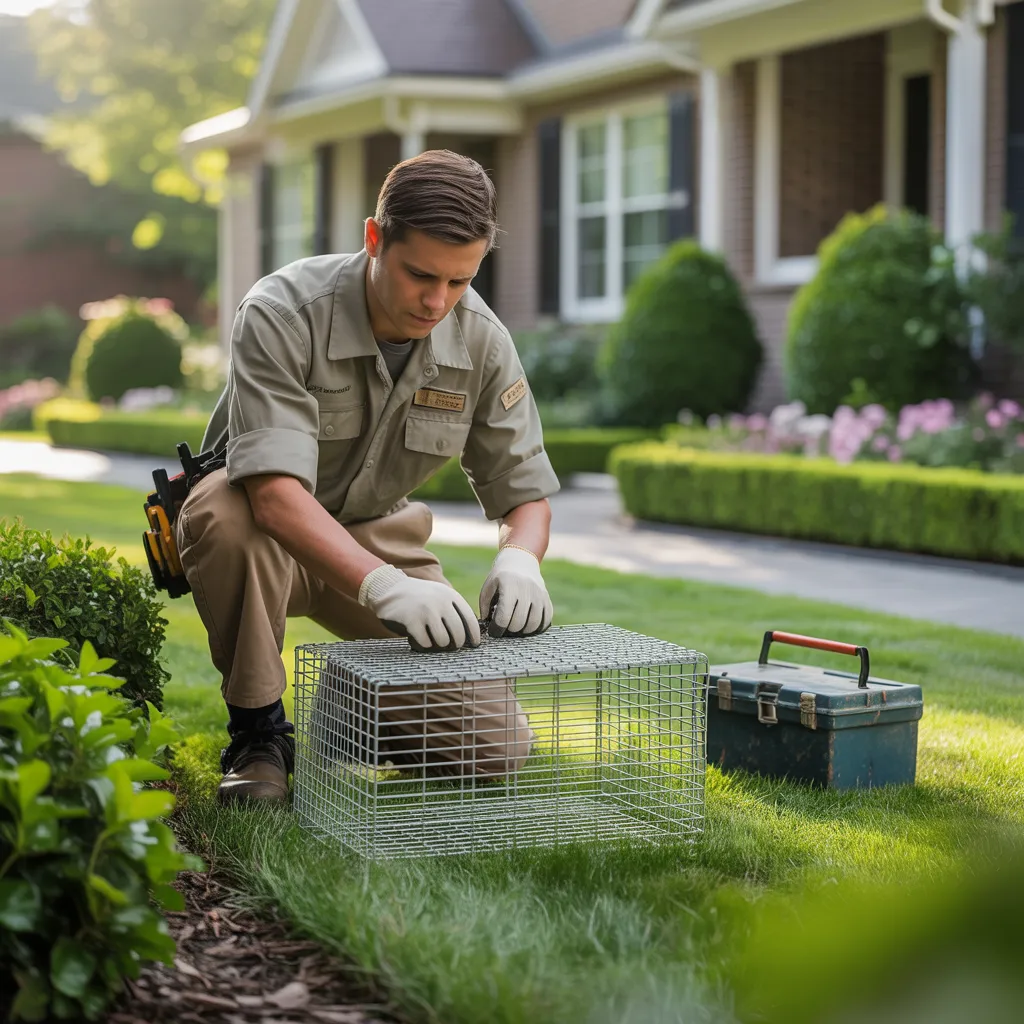
What Is Wildlife Control and Why Is It Important?
Wildlife control includes numerous strategies aimed at managing animal populations and their interactions with human environments. This practice is vital for maintaining ecological balance and reducing tensions between wildlife and humans. Proper wildlife management helps protect public health by mitigating risks associated with zoonotic diseases, which are capable of spreading from animals to people.
Moreover, it safeguards farming concerns by handling species that could harm farmland and animals. By employing humane methods, wildlife management encourages harmonious living, confirming that the interests of both humans and animals are given equal attention.
Additionally, it works to sustain biodiversity by addressing foreign species that can disturb native ecosystems. In summary, wildlife management is critical not only for boosting safety and decreasing property damage but also for fostering a harmonious relationship between people and the surrounding ecosystem.
How Ordinary Wildlife Trespassers Destroy Your Home
Typical wildlife pests create major hazards for households, causing structural deterioration that can weaken a building's foundation. They can also contaminate insulation, creating health hazards for occupants. Moreover, the existence of these intruders creates significant electrical safety issues, given their tendency to bite through cables, increasing the risk of fires.
Structural Damage Risks
The occurrence of wildlife pests may result in considerable structural deterioration in households. Animals such as raccoons, squirrels, and rodents commonly target weaknesses in home exteriors, forming access points that weaken structural stability. Raccoons, for instance, can tear off roofing materials and damage insulation, while squirrels may gnaw on wiring systems and wooden supports, increasing the risk of fire hazards. Moreover, digging animals can weaken foundations by excavating burrows, increasing the likelihood of structural collapse. With the passage of time, these breaches can allow moisture to enter, leading to mold growth and wood rot. Property owners must stay alert to signs of wildlife intrusion to avoid expensive repairs and ensure the wellbeing and long-term stability of their residences. Swift action is necessary to address these threats.
Insulation Contamination Issues
Insulation acts as a vital defense against temperature variations, but it can easily become compromised by invading wildlife. Wildlife such as rodents and raccoons can tear through insulation materials, creating pathways that allow for further entry into home structures. Their nesting behaviors frequently lead to contaminating practical guide the insulation with feces, urine, and various debris, resulting in widespread contamination. This not only diminishes the insulation's effectiveness but also poses health risks due to potential exposure to harmful pathogens. Moreover, rotting animal carcasses can release offensive smells and invite more pests. Homeowners must address insulation contamination promptly to maintain both energy efficiency and indoor air quality, emphasizing the importance of effective wildlife control and remediation measures.
Electrical Hazard Concerns
How do wildlife intruders contribute to electrical hazards in homes? Common wildlife, such as rodents and birds, can cause significant damage to electrical systems. Rodents, in particular, have a well-known habit of chewing on wires, resulting in exposed conductors and possible short circuits. This creates not only a fire hazard but also elevates the risk of electrical shock for residents. Furthermore, nesting debris from birds can block ventilation systems or build up near electrical panels, increasing the risk of fire. Moreover, wildlife may introduce moisture through burrows or droppings, creating an environment conducive to corrosion and electrical failure. Tackling these hazards with proper wildlife control measures and routine inspections is critical to preserving a safe home environment.
How to Recognize Indicators of Wildlife Activity
Recognizing indicators of wildlife activity is essential for efficient mitigation methods. Typical signs consist of footprints, recognizable sounds, and strange smells that can signal the intrusion of animals. Detecting these signals in a timely manner can assist in preventing harm to your property.
Frequent Animal Tracks in the Wild
Numerous nature lovers recognize that spotting familiar wildlife prints is fundamental to understanding local ecosystems. Tracks vary by species, with distinctive shapes and sizes. For example, the tracks of deer appear heart-shaped, while raccoon prints exhibit a hand-like appearance with elongated fingers. Tracks from canines like coyotes tend to show an oval form with clearly defined claw marks. Examining the distance between prints can offer valuable hints about the creature's size and pace. Furthermore, noting claw impressions can assist in distinguishing between different species; to illustrate, the tracks of a bobcat notably lack visible claw marks, setting them apart from a dog's prints. Grasping these nuances supports wildlife observation and conservation initiatives, deepening one's appreciation of the natural world.

Noises and Smells
Detecting wildlife existence often involves more than observable indicators like trail markings; sounds and odors play important roles as well. Audio signs such as movement in the shrubbery, scraping within walls, or nocturnal chattering can indicate animals searching for food or refuge. Different species emit unique noises, assisting in pinpointing the probable species responsible. Odors, too, provide critical clues. A damp odor may point to a hidden animal nest, while a unpleasant smell could signal a deceased animal in the vicinity. Recognizing these sensory indicators enables homeowners to act quickly. By keeping watchful to both noises and odors, individuals can effectively assess wildlife activity and initiate appropriate control measures before the issue intensifies.
Wildlife Management: Powerful Approaches for Preventing Animal Invasions
Avoiding unwanted animal access necessitates a comprehensive plan that pairs familiarity with animal tendencies alongside reliable prevention techniques. Residents ought to start by pinpointing likely entry spots, such as openings in walls, roof spaces, or crawl spaces, and secure them to prevent intrusion. Consistent upkeep of the premises, including cleaning up debris and securing trash, can deter animals seeking food sources.
Furthermore, utilizing natural deterrents like motion-activated lighting or sound systems can discourage uninvited creatures. Landscaping choices also play a role; incorporating native plants and keeping a well-maintained yard can decrease the attractiveness for multiple species. Informing residents about local wildlife behaviors strengthens awareness and promotes proactive efforts.
The Role of Professional Wildlife Control Services
When wildlife invasions surpass the ability of homeowners to handle, expert wildlife control services emerge as a critical resource. These specialized services offer expertise in identifying and addressing a wide range of wildlife issues, ensuring both security and adherence to local guidelines. Skilled specialists employ humane capture methods and exclusion strategies to reduce the effect on surrounding ecosystems while successfully addressing wildlife conflicts.
Furthermore, these professionals often provide detailed assessments of homes to detect potential entry points that may prompt future infestations. By utilizing advanced tools and approaches, they can target the root causes of wildlife problems, rather than merely managing symptoms. This forward-thinking approach not only secures homes but also promotes coexistence with local wildlife. In the end, engaging professional wildlife control services assures that homeowners can navigate intricate wildlife problems in a safe and effective manner, reducing risks to their homes and personal safety.
The Importance of Dead Animal Removal
The existence of deceased animals on a property can create substantial health dangers and draw in undesirable pests. Decomposing carcasses release harmful bacteria and pathogens, which can contaminate soil and water sources, jeopardizing human and animal health. Moreover, the stench arising from a rotting body can negatively impact the daily lives of surrounding residents and generate an uncomfortable atmosphere.
Furthermore, dead animals can act as a food source for scavenging creatures, including vermin and insects, contributing to new pest infestations. This can escalate into larger problems, necessitating more comprehensive pest control efforts. Removing dead animals promptly is essential to mitigate these risks and ensure environmental safety is restored.
Professional dead animal removal services have the capability to address these scenarios promptly, ensuring proper disposal and sanitation. By tackling the problem promptly, property owners can protect their health, protect the integrity of surrounding ecosystems, and copyright the condition of their environment.
What to Consider When Choosing a Wildlife Control Service?
Professional wildlife control services are essential for preserving a safe and healthy environment, most notably when dealing with situations such as dead animal removal. There are several important factors to evaluate when choosing a wildlife control service. To begin, confirm that the company holds proper licensing and insurance, as this confirms their legitimacy and protects against liability. Industry experience is a critical factor; a company with a proven track record is more likely to handle various wildlife issues effectively.
Furthermore, ask about their approaches to wildlife removal and prevention, making sure they utilize humane and environmentally friendly procedures. Customer reviews and testimonials can shed light on the team's trustworthiness and performance.
Finally, a reliable company should provide a detailed evaluation and follow-through to prevent subsequent wildlife intrusions. By considering these criteria, homeowners can identify a wildlife control service that prioritizes safety, efficiency, and ethical practices.
Common Questions and Answers
What Are the Laws and Regulations Governing Wildlife Control in My Area?
Legal requirements for controlling wildlife vary by location, often requiring permits for animal trapping and relocation. Local wildlife management agencies supply detailed guidelines, promoting humane care and compliance with conservation laws to safeguard animals and their ecosystems.
How Can I Safely Deal With a Dead Animal on My Property?
To safely handle a dead animal, it is recommended to use protective gloves, utilize a shovel to remove the body, double-bag the body, and dispose of it according to local regulations, maintaining proper sanitation while minimizing health risks.
What Are the Pricing Details for Wildlife Control Services?
Wildlife control service costs can vary significantly, usually spanning from $100 to $1,500. Elements that affect the cost include the species of wildlife involved, degree of the wildlife problem, along with the control methods and preventative measures utilized.
Will Wildlife Control Stop Future Infestations for Good?
Professional wildlife management can greatly reduce the likelihood of recurring wildlife problems through proactive strategies, but there is no guarantee of absolute protection. Ongoing monitoring and maintenance are essential to minimize risks and resolve any concerns as they arise.
Which Types of Animals Need Specialized Removal Methods?
Some animals, including raccoons, bats, and snakes, require specialized removal techniques owing to their particular behaviors and associated health risks. Professionals must employ specific methods to secure safe and ethical handling during the removal process.